Join Our News Letter
Get started today before this once in a lifetime opportunity expires.
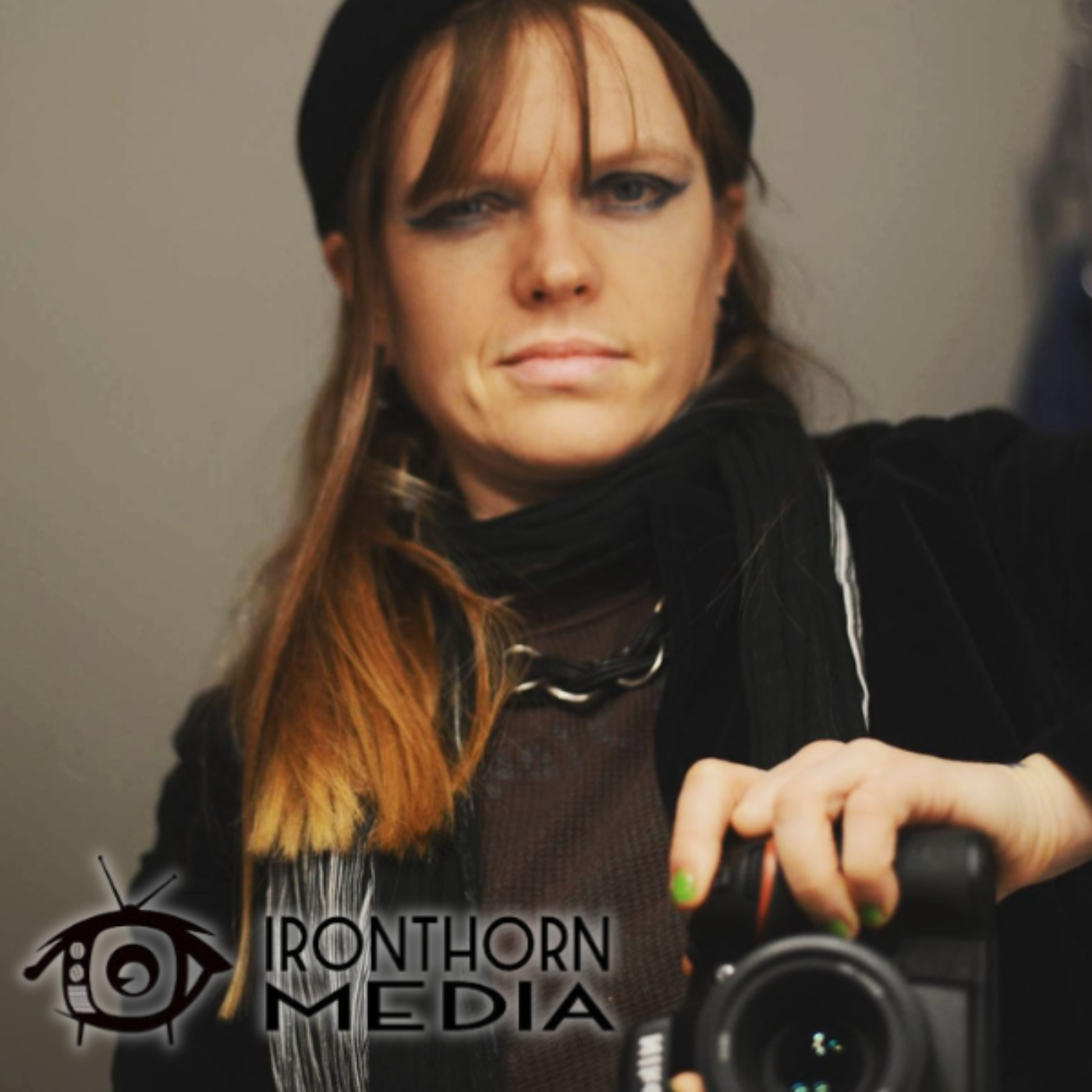
Sophie Rousmanier – Founder of Iron Thorn Media
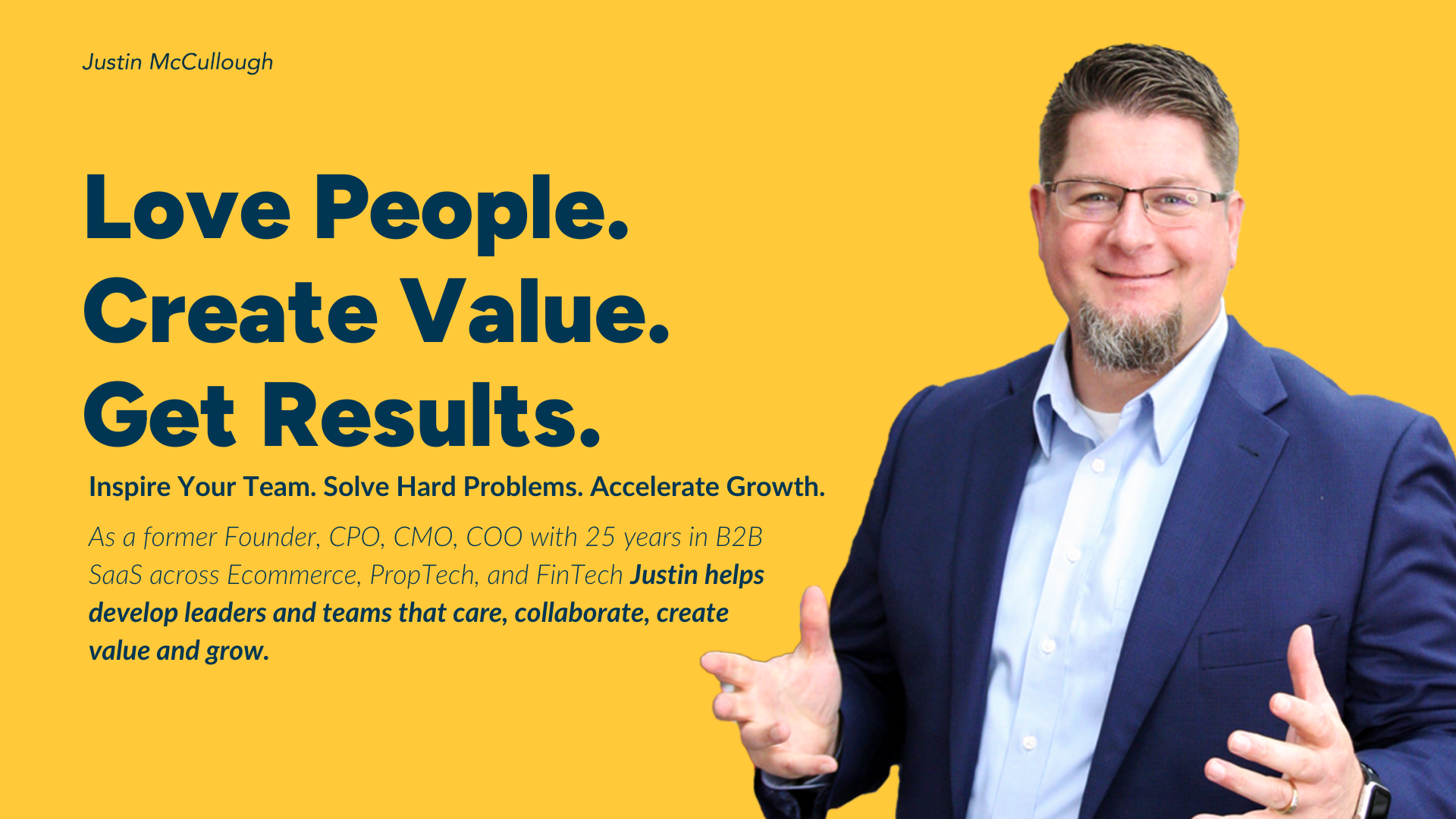
By Justin McCullough
Owner of a for profit and non-profit, producer and film maker, and story teller, Sophie talks to us about her passions and dialing into a great business that can meet personal and professional goals.
Overview
In the latest episode of the podcast "Vision, Values and Velocity," Justin focuses on leadership challenges with a special guest, Sophie Rousmanier, founder of Iron Thorn Media. The conversation explores Sophie's dual ventures: a for-profit media company that emphasizes community-conscious storytelling and a non-profit dedicated to environmental and social justice documentaries. Sophie shares her insights on the power of video content in creating emotional connections, particularly through client testimonials and thought leadership. She recounts her entrepreneurial journey, highlighting the importance of persistence, risk-taking, and learning from failures. The wrap-up emphasizes the podcast's core themes of vision, values, and velocity, encouraging listeners to align their goals with meaningful action.
Show Notes
Click timestamps to jump directly to that point in the episode.
- Podcast titled "Vision, Values and Velocity" hosted by Justin McCullough
- Focus on helping listeners tackle leadership challenges and big projects
- Introduction of guest Sophie Rousmanier, founder of Iron Thorn Media
- Operates Iron Thorn Media (for-profit) and a nonprofit for long-form docs
- Creates content for businesses with a “halo effect”
- Focus on environmental/social justice via documentaries
- Storytelling used to build emotional connection
- Formats: miniseries, TV-style content, business videos
- Highlights benefits for small businesses
- Testimonials, product demos, and branding emphasized
- Video gives meaning and builds trust in an individualistic age
- Early travels shaped her worldview
- Influence from her entrepreneurial mother
- Owned import biz and bar before filmmaking
- Persistence made her dream attainable
- “If you know where you're going, you don’t need the map”
- Importance of persistence, risk-taking, and learning from failure
- Connects people with purpose through video and community work
- Justin recaps Sophie’s mission and storytelling purpose
- Vision, values, and velocity broken down
- Highlights sustainable, purposeful growth and clarity of direction
Show Transcript
Justin McCullough [00:01] – What do you do when it's your turn to lead? Well, that's a great question. The Vision, Values and Velocity podcast is all about a better way of thinking and how to get you where you are now to where you want to be as quickly, confidently and intentionally as possible so you can make an impact at work, home and life. Hey, this is Justin McCullough. This is my show. Thanks a ton for being here. You know, it's my goal to give you encouragement, clarity and confidence to tackle whatever your next big thing is, whether that's leading a team or running a business, or taking on that big new project. I'm hoping to inspire you. And I'm sure stories just like this are going to help you along the way. So let's take a look at the leadership traits of Sophie Rousmanier.
Justin McCullough [00:41] – She's the founder and producer of Iron Thorn Media, which is basically video content, documentary stuff, some really good things. So take a listen and let's just jump right in. Hey, this is Justin McCullough and this is Small Business Festival. I've got Sophie with us. Why don't you tell us a little bit about who you are and what your business is?
Sophie Rousmanier [01:07] – Yeah, I work with a nonprofit and a for-profit. The for-profit is Iron Thorn Media, and we work with small businesses and nonprofits to create engaging content to help expand whatever they want to be doing, whether it's helping people or it's selling a product. But we mostly are focusing on businesses that would like to have a kind of a halo effect, like a conscious participation in the community.
Justin McCullough [01:35] – Great. And you're doing in what medium?
Sophie Rousmanier [01:38] – We're making short form pieces for online content. We also produce television shows. And so then we also work, we also have a nonprofit, and the nonprofit is primarily for long form documentaries for television. And these are usually about environmental and social justice issues.
Justin McCullough [01:58] – That's great. So a couple things come to mind. One is I know for a fact there's some folks on the other end thinking like, oh, finally I got somebody who knows TV and video and all this cool stuff. And they're talking about doing all this social content. Right. So can you tell them a little bit about what that looks like? What can help these small businesses owners be successful with this kind of content? Like, can we unpack that a little bit?
Sophie Rousmanier [02:20] – Really, it's about storytelling and it's about connecting emotionally with an audience because that is ultimately people are connecting with a brand, people are connecting with a service, people are connecting with whatever the initiative is of that organization from an emotional place. And with video, you can really get to know somebody. You can really kind of, you can see, you can really get to know who they are and where they come from. And that is something that's going touch us emotionally. It's the oldest form of communication in the world, storytelling. And that's, you know, storytelling was part of the way that people communicated in ancient times to convey information. And now it's still part of us today. In this age of technology, we use video to really communicate. And I think that it's a really excellent way to really engage.
Justin McCullough [03:09] – And, you know, people, they begin to trust you, they begin to feel like they know you, and that is going to help them want to do business with you or help them want to participate in your cause or whatever. So we really feel like video is an amazing way to communicate with all kinds of people about all kinds of things.
Justin McCullough [03:26] – Sure. So, you know, I think that there's probably several different ways people could approach video. Facebook Live is an example of one. Why don't you walk me through a couple of things that are accessible to our small business owners that a company like you would provide for a small business owner so they can kind of get a glimpse. Are we talking about commercials? Are we talking about documentaries? It sounds like you do so much. So how do we make sense of all the possibilities?
Sophie Rousmanier [03:46] – Sure. I mean, it really depends on the goals for the campaign that people are working on or the interest in the business. For instance, we produce miniseries or we can produce programs for television.
Justin McCullough [04:01] – What's a miniseries?
Sophie Rousmanier [04:02] – A mini series is like. Typically a series is maybe 13 episodes. A mini series is maybe three or four. So we can produce television programming for them. We can produce online content. So that's usually short form pieces and a lot of time for a small business that's like perhaps thought leadership videos. You're really showcasing the expertise or a business profile video where people are kind of getting to know the business a little bit and what are the nuts and bolts there? And you have, you know, product demos and a lot of other little pieces of video, but especially like client testimonials for the business, like how did your business really impact the life of someone else? And those personal stories are what future clients will be connecting with and they'll be identifying with that person who benefited from that service or product.
Justin McCullough [04:43] – And so we're kind of sharing that experience with potential clients to help expand their clientele.
Justin McCullough [04:50] – That's great. I want to just like, you unloaded a lot of great stuff there. So what I heard was we want to create likability and trust, and we want to get them to know. And we can use video to do that. We want to do a lot of video. So we could do episodes, we could do multiple episodes online, we could do spotlights, we can do profiles.
Justin McCullough [05:07] – Right.
Justin McCullough [05:08] – And we can tell stories in short or long format, get them on the web, get them wherever we need to get them so that people can actually understand who these people are in a story form, get emotional content and ultimately get the story out there.
Justin McCullough [05:20] – Ultimately get the story out.
Justin McCullough [05:21] – Get the story out.
Justin McCullough [05:22] – I mean, depending on what the goal is. If it's get the story out there and get people to care about a cause or get people to engage with a service or product, it's really like consistent branding, consistent messaging and helping people engage. They're engaging because we're creating meaning in this age of technology where people are kind of, you know, there's a lot of different information, but meaning is still what we're looking for in our lives. And sometimes products and services can help us cultivate that meaning in this. In this kind of era of individualism.
Justin McCullough [05:54] – So I'm just, I'm hearing a lot of passion, a lot of enthusiasm about video and about small business and how all this comes together. Where's that passion come from?
Sophie Rousmanier [06:03] – My personal interest in doing, in participating in media that does social good or have an impact on the community comes from early traveling. As a young person, as a teenager traveling to the developing world, my whole mind was blown. And what I really wanted to do was bring some of those experiences to people that had never traveled before. And then on the other side, my mother ran a small counseling business from home. And I was always really. I was always really inspired to be a business owner, entrepreneur. So I've started multiple businesses, I've owned a bar, and I've been a body piercer. I've done all kinds of things, but really filmmaking was always what I wanted to be doing.
Sophie Rousmanier [06:44] – It was just something that seemed so big and so unattainable, but ultimately just following the dream and being persistent and resilient was the way to go, and it didn't really matter. It's one of those professions where if you don't really want to do it, don't, because it's hard, but when you do, it's so fulfilling. And you get to meet and talk to a lot of different people and get to learn a lot of stories and it's new stuff every day and get to learn about different cultures and ideas, and it's a wonderful way to work.
Justin McCullough [07:13] – So I'm hearing a lot here, so I gotta roll it back. So this isn't your first business. You've done this before. So you gave a couple of laundry list of things. Actually, why not tell me about the journey, like what brought you from one to the next. And do you think that's normal for business owners? I think it's normal. Let me just say I think it's normal.
Sophie Rousmanier [07:32] – I think initially the early businesses that I started were very, they were very passion based. It was all about what I wanted to do. It was that classic story of I've got a great product, everybody needs it. And then I slowly realized that even if I have a great product and everybody needs it, I mean, are they willing to spend money on it? Is this the right timing for that? Is this the right market for that? So, you know, in each of these and ultimately is this what I want to do? I ran an import business selling people things they didn't need. Those are things they might like. And that's a great. If someone is passionate about their product, they want to sell it. That's wonderful. But ultimately selling shoes wasn't for me. But you know, it was fun at the time.
Sophie Rousmanier [08:09] – But I realized that wasn't really where my passion. So I started making, I was making films on my own and decided I wanted to get more education on that. So I left some of the other businesses behind and kept going. I mean, initially started as a journalist and then went into all these other things. Came right back because I come from a family of news people.
Justin McCullough [08:26] – Okay, all right. So now the truth comes out. You've seen story for a long time, right?
Justin McCullough [08:31] – Oh, yeah. I grew up listening to the presses and the newspaper business. My dad and my grandpa were newspaper men. So that's great. The news is in my blood.
Justin McCullough [08:39] – That's right. I think that's amazing. You know, we have experiences in our past that shape our future. Right. And one of the things that I'd really like you to offer some of your insight, your perspective. If there's somebody out there right now who's struggling with their first, second or maybe third business, or maybe it's been moderately successful, but they really feel like they've tried this thing and they need to move on. Maybe they're a little focused on the product, but like you said, not the right market, not the right time, or maybe you're just a little too much in love with the product and not in love with the customer. Right. What would you tell those folks to get moving in the direction of their heart. That can allow them to develop that next thing that is a little bit better for them.
Justin McCullough [09:15] – Because it sounds like you've had experience sort of making your way through to now. This place where you're thriving. What's it take to thrive like that? What would you share with them?
Sophie Rousmanier [09:25] – Giving yourself the space and time to be committed and persistent? If you know where you're going, you don't necessarily have to know what the map looks like, but keep walking in that direction and be persistent with it. And then if you find that you've, again, maybe you'll have to pivot. But I think not giving up on yourself is one of the biggest and most important things. And really like trying to assess what is the most important thing for the business at this time and not being afraid to take risks, I think that's really important.
Justin McCullough [09:57] – So with risk comes mistakes and failure. Right. How do you do all that without feeling like a failure?
Sophie Rousmanier [10:03] – Well, sometimes you do feel like a failure, but then you gotta look yourself in the mirror and say, I'm a badass and I'm gonna get this done. And you gotta convince yourself that's what's gonna happen today, and not every day does it work. But, you know, like, for instance, grant writing. I'll write 20 grants, maybe I'll get two. That's 18 failures.
Justin McCullough [10:19] – Yeah.
Sophie Rousmanier [10:20] – But, you know, you gotta learn to love the failures because every time you. Every time you pursue that goal, you're getting better at getting there.
Justin McCullough [10:26] – That's right. And I think as we kind of close out this, you know, you've got a for profit and a not for profit. Is that correct?
Sophie Rousmanier [10:32] – Yeah.
Justin McCullough [10:33] – Those are like two totally different hemispheres. Right. Like, they don't mesh well.
Sophie Rousmanier [10:37] – Well, they're both in media.
Justin McCullough [10:39] – Okay.
Sophie Rousmanier [10:39] – Both use the same equipment.
Justin McCullough [10:41] – Okay.
Sophie Rousmanier [10:41] – But they definitely have a different purpose. So, I mean, in some ways, a branded content can move in a really socially expansive way to help, you know, in that kind of halo effect. But it's a different type of financial plan, different type of sales in a way, because. But either way, in what we do, we're helping people engage and connect with somebody's passion, whether it's a passion about saving the environment or it's a passion about, you know, a really excellent new toothbrush that's made of recycled this or that. You know, it's like it's connecting people with passion. And using video is just a great medium to do, so.
Justin McCullough [11:20] – That's great. So, you know what I heard really ultimately is. It's similar vision no matter what, and it doesn't really matter what format the business is in, you're still chasing that. And, you know, at the heart of it's about storytelling and video. Thanks a ton for sharing that. It's been great talking to you today. This is Justin with the Small Business Festival. Thank you so much.
Justin McCullough [11:37] – Thanks just.
Justin McCullough [11:44] – Yes. So Sophie is awesome. I don't know if you picked up the energy and the passion that she has, but just being in the room with her and being around her, social justice and connection and community and helping others, just like it just. It just beams from her. That's. That's something that she's not only just passionate about, but she's. She's in the. In the middle of. And everything that she does, she's. She's constantly in the middle of interactions that help share that sort of influence of the value of story and the value of connection and the value of even emotional connection. So Sophie's just a wonderful person and I hope you enjoyed that.
Justin McCullough [12:25] – You know, whenever I think about media and things that are around marketing and business stuff, you know, a lot of times we think about this kind of content, in fact, as content. We think about video as content. But you can tell that Sophie really is not about video as content. It really is truly her method to do good in the world and cause change. And she obviously has high EQ and extremely thoughtful and has been around a lot of amazing stories growing up and has told many great stories herself. And I don't know if you caught there at the very end, you know, talking about persistent and being resilient. And the point she made was writing 20 grants and only getting two. You know, I can imagine just how.
Justin McCullough [13:08] – How difficult that must be to put that kind of energy into the process, the grant writing process. And, you know, when you're done, such a really low percentage of folks who follow through with that process of actually awarding the grant. And so, you know, whenever she talks about following your passion and engaging with people and being resilient, I think she's got the battle scars to show it. And I hope the show really helped you today with some of that. So no matter where you are in that process, you know, think about Sophie and some of the things she has shared with encouraging through persistent, resilient efforts and being okay to make mistakes. So anyway, hey, so look, I want to remind you know, that this show is really about what it. What it's like whenever it's your turn to lead.
Justin McCullough [13:47] – And I'm confident that to do that, well, you really need to understand vision, values and philosophy. And that's what this show's about. So a little bit about vision, you know, it's got to be attainable, sustainable, and compelling values. You know what values are about. There's, there's a lot of reasons and ways that values come forward. But no matter what the values are that you're dialing in on, just know that those are the guardrails that guide your decision making. And whenever you have public values for others, that helps others make the same kinds of decisions you would make even if you're not in the room. And so published values is a real big deal in organization and in teams and in businesses. And so make sure those values are known, and that'll help you make better decisions.
Justin McCullough [14:27] – And, you know, ultimately, velocity is about moving forward in a specific direction with speed, you know, and so don't be concerned with necessarily how fast you're going. Just trust that as you bring vision and values together, you will generate more and more acceleration, especially as you remove confusion and provide more clarity around the vision that's going to impact everything that you do. So if that's helpful to you, and I sure hope it is, go on over to visionvaluesvelocity.com and take a look over there for other things I've. I've got for you around how to win at work and life and really doesn't matter where you are in the business or in teams. Let me help you over there.
Justin McCullough [15:03] – So anyway, I want to thank Matthew Pollard, who started the Small Business Festival, for letting me use this audio clip from the interview I did there. And I'd like to thank Sophie for being on the show. Awesome person. Can't wait to talk to you again. And also the mysterious brake master cylinder for the interesting theme music that I use on this podcast. So thanks a ton. If we're not connected, you can connect with me as MCC Justin on Twitter and you can go visit my website, justin mccullough.com Take care, y'all. See you soon.
« Previous | Next »
Join Our News Letter
Get started today before this once in a lifetime opportunity expires.